Trump-Directed Federal Law Enforcement Surge in Washington Ignites Debate Over Municipal Sovereignty and Constitutional Limits
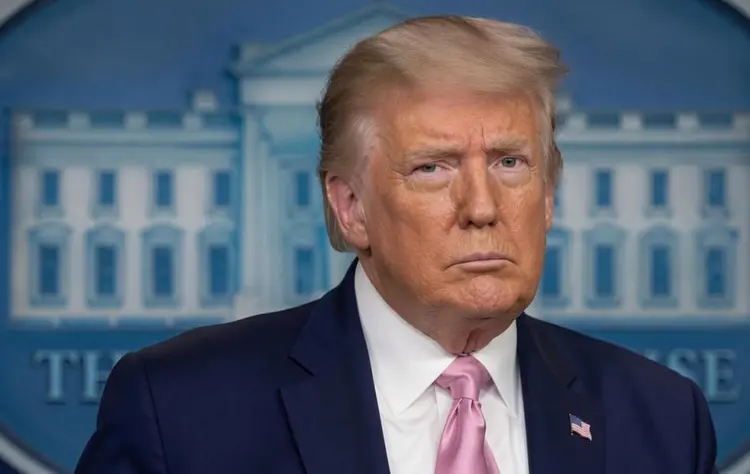
WASHINGTON — A major expansion of federal law enforcement operations across the District of Columbia has intensified national scrutiny over local self-governance, constitutional authority, and civil rights.
Directed by President Donald Trump under executive authority invoking emergency crime measures, the operation broadens the jurisdiction and visibility of federal agents throughout the capital. Federal officials have defended the heightened posture as a necessary intervention against violent crime, asserting that centralized coordination and increased street-level enforcement are crucial for restoring public order and securing federal enclaves.
The surge has drawn distinct reactions across the city’s commercial and residential sectors:
-
Support for Visible Deterrence: Business associations and several neighborhood groups have supported the intervention, citing immediate declines in visible street-level infractions, increased security around public transit hubs, and improved consumer confidence in high-density commercial corridors.
-
Concerns Over Civil Liberties and Overreach: Conversely, civil rights organizations, legal watchdogs, and municipal officials have warned that aggressive deployments risk disproportionately impacting minority and immigrant communities while eroding community trust. Critics also cite ambiguities in chain-of-command accountability between local police and outside federal agencies operating without municipal oversight.
The standoff brings renewed focus to the constitutional framework of the nation’s capital. While the District of Columbia Home Rule Act of 1973 established an elected mayor and council, Article I, Section 8 of the U.S. Constitution reserves ultimate legislative authority over the federal seat of government for Congress, giving the executive branch specific legal mechanisms to intervene during declared public safety emergencies.
As federal operations proceed, constitutional scholars, District leaders, and oversight groups continue to assess the intervention, balancing short-term crime metrics against long-term legal precedents governing home rule, executive power, and local democratic representation.