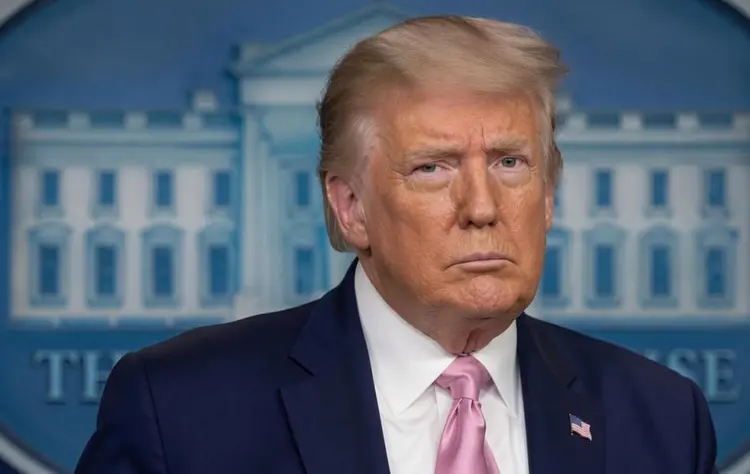
President Donald Trump has directed a major expansion of federal law enforcement operations across Washington, D.C., a move administration officials describe as an urgent crackdown on violent crime, but one that has reignited fierce constitutional debates over local autonomy, civil liberties, and the limits of federal power.
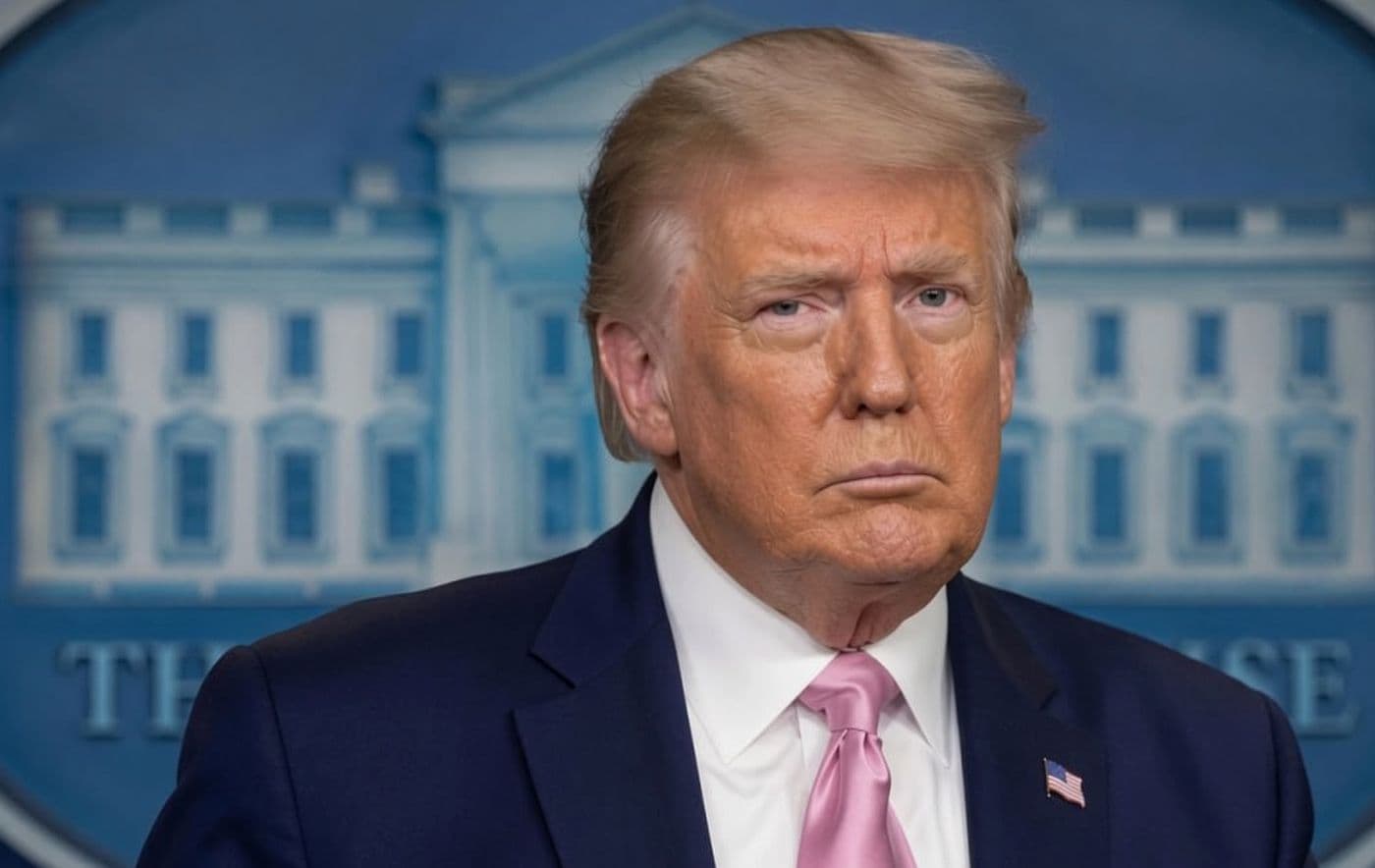
The initiative expands patrols and enforcement authority for federal personnel throughout the District. Administration officials have characterized the surge as an essential response to chronic public safety challenges, arguing that improved inter-agency coordination and a visible federal footprint are vital to lowering violent crime and restoring order to the capital’s streets.
Proponents of the measure, including several neighborhood business coalitions and local residents, have welcomed the heightened law enforcement visibility. Supporters note that increased street patrols and transit hub checkpoints have generated an immediate deterrent effect, pointing to tangible reductions in street-level offenses and an improved sense of security across high-traffic corridors.
However, the aggressive intervention has drawn sharp rebukes from civil rights advocates, community organizers, and District leaders, who warn that the deployment undermines the city’s self-governance. Critics contend that a heightened federal presence creates heightened anxiety—particularly among immigrant and minority communities—while blurring lines of accountability between municipal police and federal authorities operating without direct local oversight.
The clash centers on the unique constitutional status of the District of Columbia. While the Home Rule Act of 1973 granted Washington an elected mayor and city council, Article I of the U.S. Constitution reserves ultimate legislative authority over the federal district for Congress, granting the executive branch legal mechanisms to intervene during declared emergencies.
As the surge continues, legal observers and municipal officials are tracking its fallout, weighing early crime statistics against long-term concerns regarding democratic representation, community trust, and the statutory boundaries of local governance in the nation’s capital.