A viral digital petition demanding the deportation of former First Lady Melania Trump and members of her family has crossed 13,700 signatures, reigniting debate over the boundaries between grassroots online satire and constitutional immigration law.
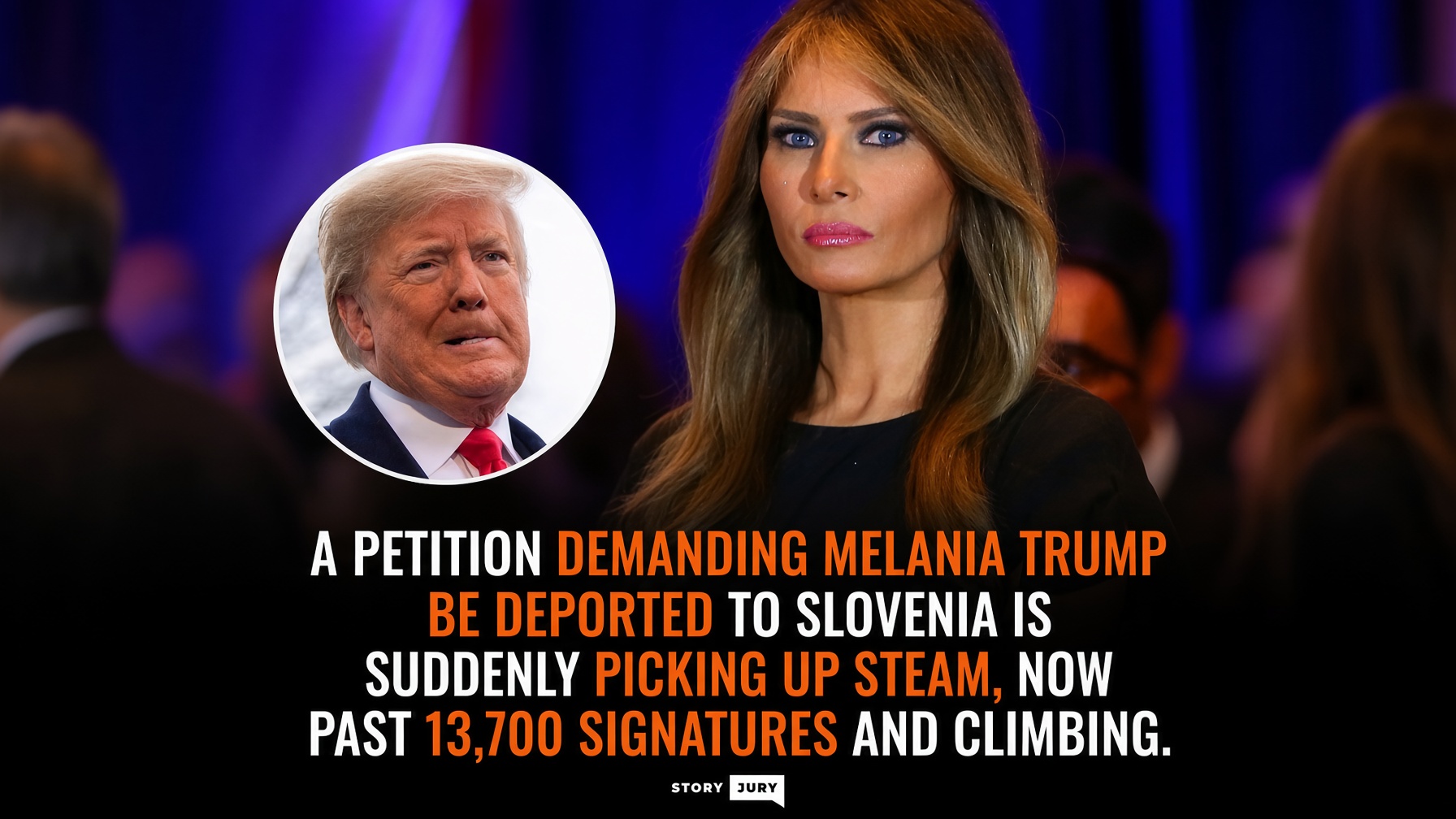
The petition, published on the progressive organizing platform MoveOn, calls for the former first lady, her late mother and father, and her son Barron to face the strict deportation and denaturalization standards championed by Donald Trump. Organizers framed the campaign as a critique of hardline federal enforcement proposals, asserting that measures targeting naturalized citizens and family-based immigration channels should apply equally to political leadership.
The initiative gained traction following public remarks by Democratic lawmakers, including Rep. Maxine Waters and Rep. Jasmine Crockett, who questioned whether the scrutiny applied to immigrant households nationwide should extend to the former first family’s personal visa and naturalization history. MoveOn clarified that the listing is an independent, user-submitted petition that does not carry an organizational endorsement, noting it was cleared by volunteer moderators without promotional assistance.
Despite its internet visibility, the petition holds no legal weight under federal statute. Melania Trump, who moved to the United States from Slovenia in 1996 and obtained lawful permanent residency in 2001, became a naturalized U.S. citizen in 2006. Under U.S. law, stripping citizenship through denaturalization requires formal federal court litigation demonstrating that the individual procured naturalization through intentional fraud or willful misrepresentation of material facts. Furthermore, Barron Trump is a native-born U.S. citizen protected by the Fourteenth Amendment, making deportation legally unavailable.
While organizers view the effort as a visible political parody highlighting double standards in the immigration debate, critics have labeled it performative online theater that distracts from substantive policy discussions surrounding border security, administrative backlogs, and statutory visa reform.