Omar’s 2019 ‘Above The Law’ Warning Resurfaces After Federal Search
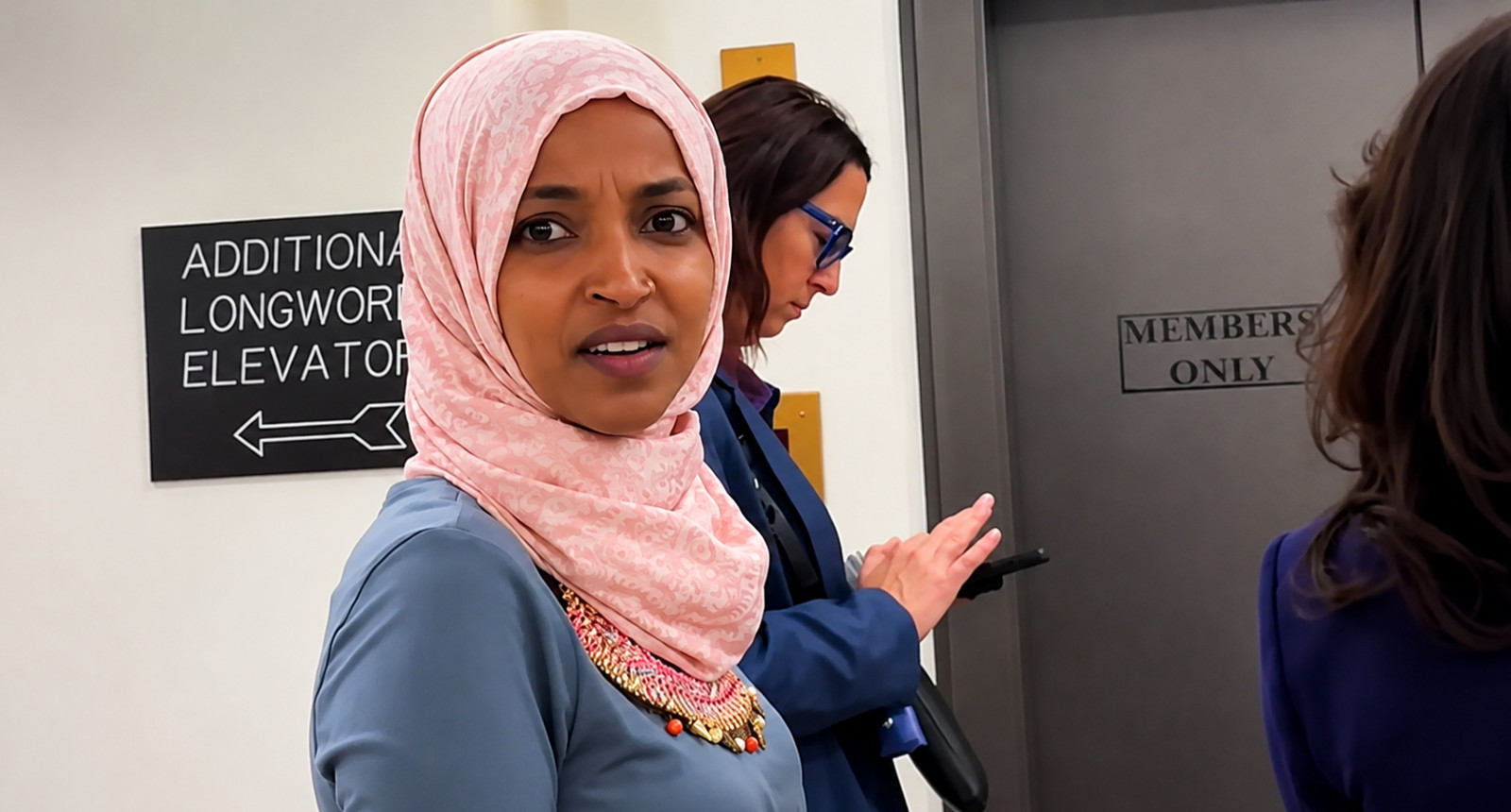
WASHINGTON — In 2019, Representative Ilhan Omar appeared on national television to argue that no public official—not even the President of the United States—stands above the law. Today, those exact words on legal accountability and investigative power have resurfaced in an entirely unexpected context, as federal agents executed a court-approved search warrant at the Minnesota Democrat’s Washington home.
The dramatic development has ignited a fierce political clash, with Omar directly accusing Donald Trump of weaponizing the Department of Justice against his political adversaries just weeks before the midterm elections, while administration officials defend the search as a routine matter of judicial process.
The 2019 Stance on Oversight and Probable Cause
The resurrected comments trace back to September 2019, when then-House Speaker Nancy Pelosi announced the first formal impeachment inquiry into Donald Trump over military aid and his dealings with Ukraine. Speaking with CNN’s Wolf Blitzer, Omar strongly welcomed the decision to move forward, arguing that serious allegations warranted aggressive oversight even before every supporting document or whistleblower transcript became public.
“Nobody is above the law,” Omar asserted during the broadcast, maintaining that public evidence already pointed to severe constitutional violations. While Blitzer pressed on whether proceeding was premature without the complete documentary record, Omar insisted that sufficient probable cause existed to open an official inquiry, arguing that an investigation was vital to uphold the Constitution.
Her standard in 2019 was unambiguous: serious credible allegations justify formal scrutiny, while granting the subject due process to contest the charges.
Federal Search of Omar’s Washington Home
Nearly seven years later, federal investigative authority arrived at Omar’s own doorstep. On Monday, agents with Homeland Security Investigations (HSI)—operating under a search warrant authorized by a federal judge at the request of the Justice Department—conducted an extensive search of her Washington residence.
Federal officials confirmed the action was part of an ongoing probe but declined to disclose the underlying criminal statute or specific offenses under review. Sources familiar with the investigation have indicated that the inquiry centers on decades-old immigration filings and paperwork completed when Omar entered the United States as a child refugee from Somalia. No formal criminal charges have been filed against the congresswoman, and the underlying affidavit supporting the warrant remains under judicial seal.
Omar responded with immediate defiance, framing the raid as an act of political intimidation:
“This is a direct attempt to intimidate and silence me by weaponizing federal agencies,” Omar stated following the search. “I will not be silenced.”
Trump publicly distanced himself from the operation, stating that he did not direct the search and asserting that operational enforcement decisions remain strictly with the Department of Justice.
Due Process, Political Timing, and Double Standards
The raid has drawn intense criticism from Democratic leadership and civil liberties watchdogs, who question the timing of an aggressive federal search mere weeks before voters head to the polls.
Legal observers note that federal scrutiny of Omar is not entirely new. Under the Biden administration in June 2024, the Justice Department conducted a preliminary inquiry regarding her financial disclosures, campaign expenditures, and interactions with a foreign citizen. According to reporting by The New York Times, that inquiry ultimately stalled due to a lack of evidence, and no public record connects those prior financial questions to Monday’s immigration-focused warrant.
While a search warrant requires a federal magistrate to find probable cause of evidence related to a crime, it does not constitute a finding of guilt. At the same time, long-standing political friction between Trump and Omar does not automatically prove executive overreach without corroborating internal records.
The resurfaced 2019 interview underscores an enduring paradox of federal power: whether applied to an incumbent president facing impeachment or a prominent congresswoman facing a sealed warrant, public trust in the rule of law hinges on strict transparency, equal application, and ensuring that investigative instruments are never distorted into tools of partisan retribution.