Jurors Speak Out After Clancy Mistrial as Lawyer Asks Trump for a Pardon
A holdout juror admitted reasonable doubt, the foreperson said. Days later, the defense asked the president for clemency on a case he cannot pardon.
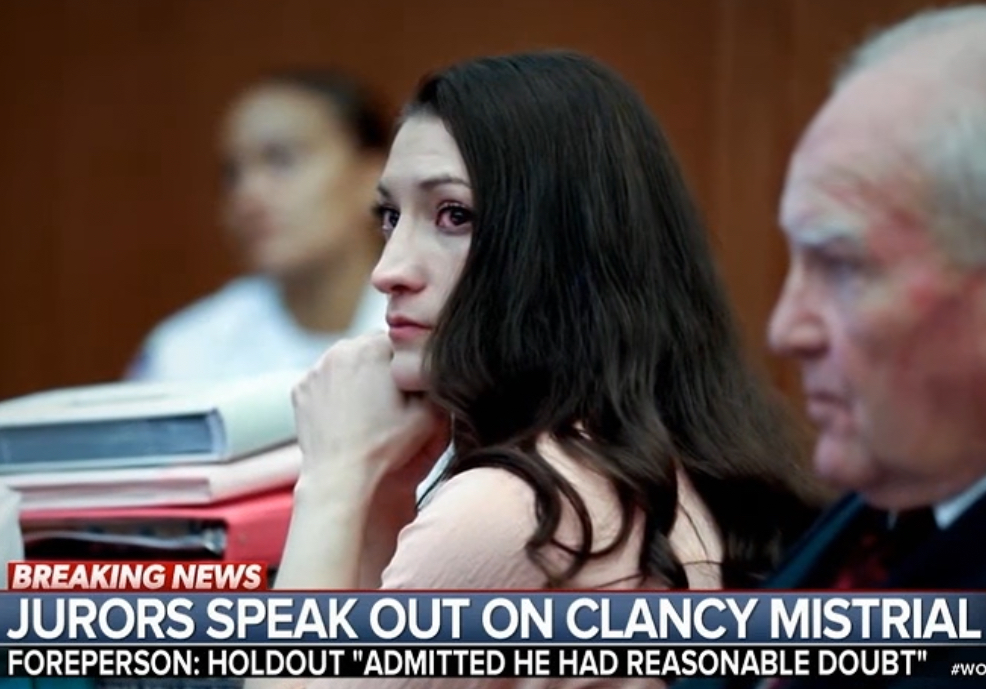
PLYMOUTH COUNTY, Mass. — Jurors in the Lindsay Clancy murder trial are speaking publicly after a judge declared a mistrial, and her lawyer has now asked President Donald Trump to consider a pardon.
Clancy, 36, was tried on state charges in the January 2023 deaths of her three children in Duxbury, Massachusetts. She admitted she caused their deaths. Her defense argued she was in the grip of postpartum psychosis and should not be held criminally responsible.
The jury could not reach a unanimous verdict. After days of deliberations and repeated notes to the court that the panel was split, the judge declared a mistrial on September 4, 2026.
What the jurors said
Three jurors, including the foreperson, later described an 11-1 split.
The foreperson said the holdout admitted he had reasonable doubt — so much so that she began filling out verdict forms. Then, she said, he added that he still would not find Clancy not guilty by reason of insanity.
Other jurors said the holdout would not move off the fact that the children were killed, even as the legal question before them was whether Clancy knew right from wrong at the time. They said the panel read the judge’s instruction on reasonable doubt to him more than once.
The holdout has not given a public interview.
The pardon request
On September 8, defense attorney Kevin Reddington appeared on national television and addressed the president directly. He asked Trump to consider “this young lady,” what she has been through, and a pardon.
Trump had already commented on the case after the mistrial. He called the deaths “horrible” and said there would be “a price,” either a mental institution, jail, or another trial.
Reddington’s request made headlines because of a basic limit in the Constitution. The president may grant pardons for “offenses against the United States.” That means federal crimes. Clancy was prosecuted under Massachusetts law. Legal experts say a presidential pardon cannot wipe away those state charges. Clemency, if any, would have to come from the governor of Massachusetts.
A spokesman for Reddington later said the lawyer knows a president cannot pardon a state case, and described the remarks as a public appeal.
What happens next
The Plymouth County district attorney has not announced whether the state will retry Clancy. A new trial would return the same core questions to a new jury: not whether the children died, but whether Clancy was criminally responsible.
The mistrial does not clear her. It also does not convict her. It leaves the case open.
Whatever view one takes of the defense, the week after the hung jury has turned on two separate fights: what one juror would not sign, and what a president is not empowered to erase