🚨 JIMMY KIMMEL MOVES JAMES TALARICO INTERVIEW TO YOUTUBE
Jimmy Kimmel has taken his interview with Texas Senate candidate James Talarico off broadcast television and released it online instead, saying the decision came amid pressure from the Federal Communications Commission (FCC) over political-candidate appearances.
Kimmel said the FCC had threatened his show, ABC, and local ABC affiliates over “traditional editorial decisions” and guest bookings. He explained that the interview would therefore be released on YouTube rather than broadcast across ABC stations.
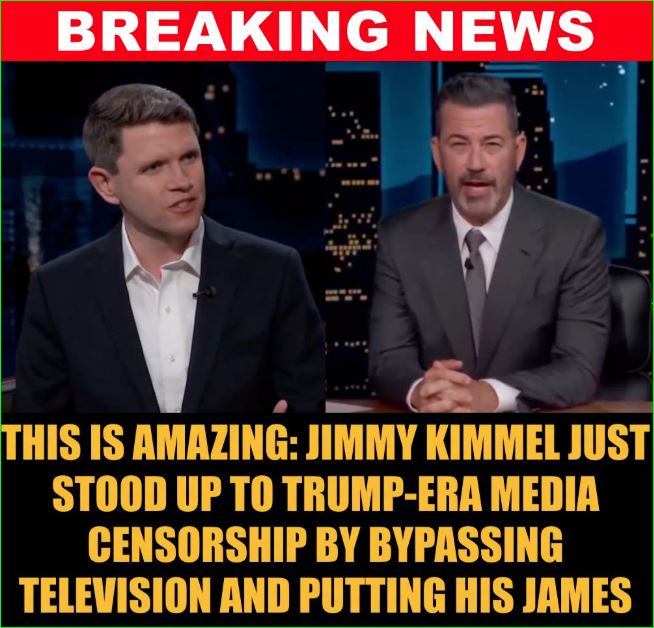
The interview was ultimately published on YouTube, giving viewers a way to watch the full conversation outside the traditional broadcast system. The dispute centers on the FCC’s interpretation and enforcement of federal “equal time” requirements, which can require broadcasters to provide comparable opportunities to legally qualified opposing candidates.
Kimmel has argued that late-night programs have interviewed political candidates for years without these kinds of complications. The FCC and its supporters, however, have maintained that broadcasters must comply with longstanding legal requirements when candidate appearances fall within the scope of the rules.
This is also not the first recent case involving Talarico. Earlier this year, an appearance involving Stephen Colbert was moved away from broadcast television amid concerns about the same equal-time requirements.
Whatever your politics, the situation raises a broader question about the relationship between political candidates, broadcast regulations, and freedom of editorial decision-making.
Kimmel chose to put the interview online rather than abandon the conversation entirely.
And now Americans can watch the interview for themselves, hear what Talarico had to say, and make their own judgment about the controversy.
In an election season, access to political speech—and the rules governing that access—can become a major part of the public debate.
📺 TV or YouTube, the conversation is now out there.
What do you think about political interviews being subject to stricter broadcast rules?