
The question of whether every legally permissible record should be released touches on the balance between institutional transparency and individual protections under the law.
There are two primary viewpoints that define this debate:
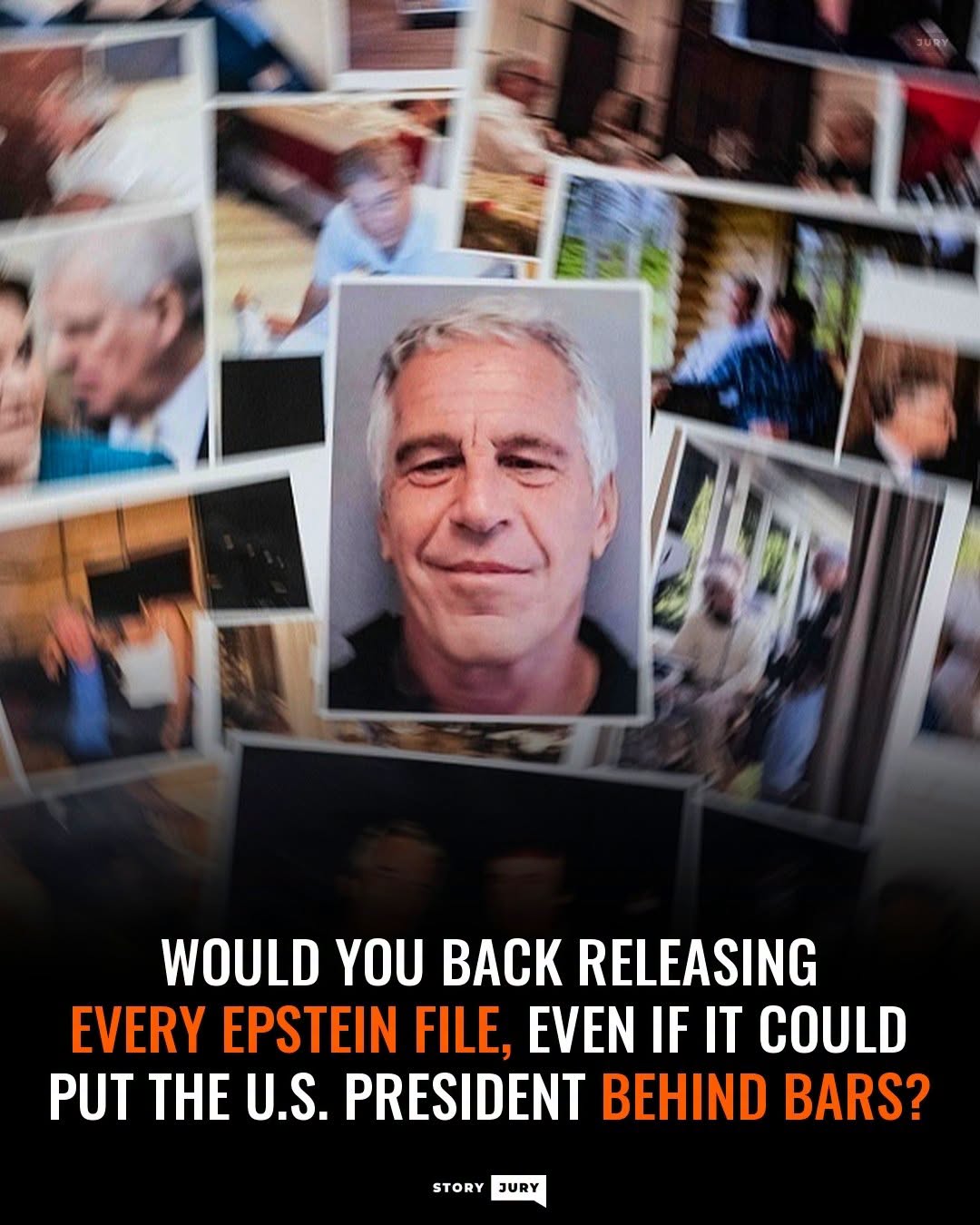
The Case for Maximum Disclosure
Proponents of complete, unvarnished disclosure argue that when allegations involve widespread institutional failure and public figures, transparency is essential to restore public trust.
-
Accountability for Power: A recurring criticism of the legal system is that influential figures are shielded from scrutiny through non-prosecution agreements, private settlements, and protective court seals. Releasing all legally permissible material ensures that public figures, regardless of political affiliation or status, face the same public reckoning and potential scrutiny as anyone else.
-
Combatting Speculation and Mistrust: When documents are selectively withheld or heavily redacted, it often breeds suspicion of political interference or institutional cover-ups. Full transparency helps clarify what evidence actually exists versus uncorroborated rumor, allowing the public and independent journalists to evaluate the facts directly.
-
Justice for Survivors: Many survivors and their advocates contend that exposing the full operational and social network that enabled Jeffrey Epstein’s abuse is necessary for closure, reform, and deterrence against future institutional blind spots.
The Case for Restraint and Strict Legal Safeguards
Conversely, legal ethicists and privacy advocates emphasize that releasing raw, uncurated investigative files carries substantial risks that require measured restraint.
-
Protection of Victims and Non-Parties: Government investigative files often contain sensitive personal data, unverified third-party claims, and raw witness interviews. Disclosing these without rigorous redaction risks revictimizing survivors, exposing their personal identifiers, or drawing uninvolved bystanders into public controversy.
-
Due Process vs. The “Court of Public Opinion”: Investigative files regularly include raw tips, uncorroborated allegations, and notes that law enforcement ultimately deemed unfounded or insufficient to bring charges. Making raw allegations public without the procedural safeguards of a criminal trial can irreparably damage reputations without affording individuals the formal legal means to clear their names.
-
Preserving Law Enforcement Integrity: Blanket releases can compromise ongoing investigations, expose sensitive law enforcement methodologies, or create chilling effects that discourage future witnesses from cooperating confidentially with federal authorities.
Where the Balance Lies
The central friction is not usually about whether powerful people deserve special shielding—statutes like the Epstein Files Transparency Act explicitly aim to prevent official concealment—but rather how to define “legally possible.”
A disclosure process that fully unmasks abuse networks while strictly redacting victim identities and respecting due process represents the ideal standard. However, because line-by-line vetting is slow, subjective, and carried out by the very government agencies under scrutiny, public skepticism remains high whenever documents are withheld.